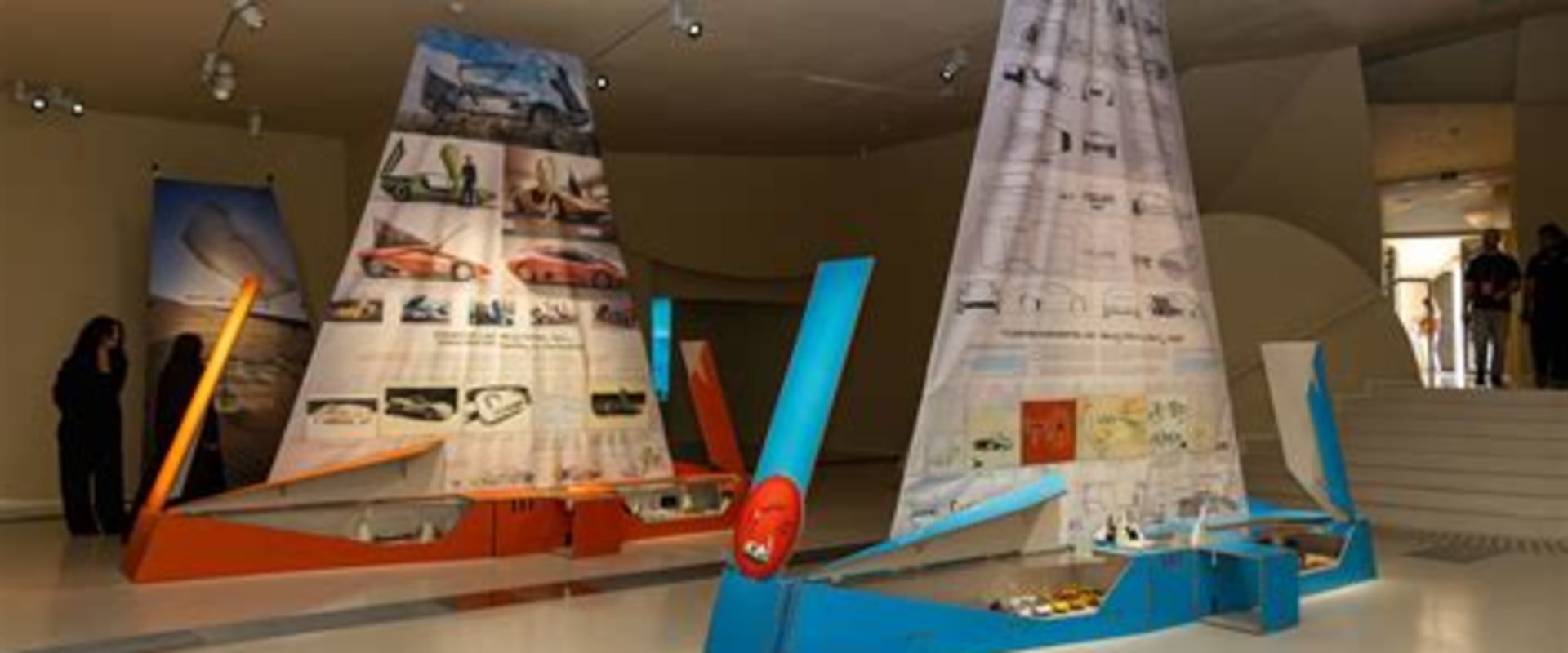
Moving large exhibit pieces may appear straightforward from the outside, but the process involves far more coordination and planning than most people expect. Museums, trade shows, galleries, convention centers, educational exhibits, and corporate displays often rely on oversized or delicate pieces that require specialized handling throughout every stage of transportation. These items are not only large and heavy but are also frequently fragile, uniquely shaped, historically valuable, or difficult to disassemble. Because of this, relocating exhibit materials involves careful logistical planning that extends well beyond simply loading items onto a truck and driving them to a new location.
Every Exhibit Piece Requires Individual Planning
One of the biggest challenges involved in exhibit relocation is that no two pieces are exactly alike. Some displays may include delicate glass panels, lighting systems, interactive electronics, sculptures, oversized signage, or custom-built structures that cannot be handled using standard moving procedures. Before transportation begins, moving teams often conduct detailed assessments to determine dimensions, weight distribution, fragility concerns, and disassembly requirements. In many cases, exhibit pieces must be partially dismantled, labeled, wrapped, and organized carefully to ensure every component arrives safely and can be reassembled correctly at the destination.
Venue Access Creates Additional Complications
Transporting large exhibit pieces is often complicated by the layout and restrictions of the venues involved. Convention centers, museums, galleries, and event spaces frequently have limited loading access, strict scheduling windows, or narrow pathways that affect how exhibits can be moved in and out of the building. Movers may need to coordinate freight elevators, loading docks, security requirements, and staging areas before the relocation process can begin. Timing becomes especially important during trade shows or public exhibitions where setup deadlines are fixed and delays can disrupt opening schedules. Even navigating hallways, doorways, or staircases may require specialized equipment and additional planning when oversized displays are involved.
Delicate Materials Require Specialized Protection
Large exhibit pieces are often made from materials that are highly sensitive to vibration, moisture, or sudden movement during transport. Custom crates, padded coverings, reinforced supports, and climate-controlled transportation methods are commonly used to reduce the risk of damage. Interactive displays containing electronics or lighting systems require additional care because internal components may shift or malfunction if improperly handled. Art installations and museum exhibits may also involve insurance requirements and documentation procedures that add another layer of coordination to the moving process. Companies such as Mountain Movers licensed movers understand that relocating specialty items requires much more preparation than standard household or office moves.
Coordination Between Multiple Teams Is Essential
Large exhibit relocations often involve coordination between movers, exhibit designers, event organizers, venue staff, security personnel, and installation crews. Every group may have specific responsibilities tied to transportation schedules, setup timing, or technical requirements. Communication becomes extremely important because delays or miscommunication can affect the entire installation timeline. In some cases, moving teams work overnight or during limited access windows to avoid interfering with public operations or ongoing events inside the venue. Successful exhibit moves depend heavily on organized scheduling and careful teamwork between everyone involved.
Reassembly Requires Precision and Organization
The relocation process does not end once the exhibit pieces arrive at the destination. Reassembling displays often requires just as much precision as the transportation itself. Components must be unpacked in the correct order, inspected for damage, and positioned according to exact design specifications. Lighting, audiovisual systems, structural supports, and decorative elements may all need testing and adjustments before the exhibit is ready for public viewing. Missing hardware, damaged parts, or setup delays can quickly create larger logistical problems if preparation was incomplete during the moving phase.
Behind-the-Scenes Planning Supports Successful Exhibits
Most visitors attending museums, trade shows, or exhibitions never see the amount of coordination required to move large exhibit pieces safely and efficiently. Careful transportation planning, protective handling, venue coordination, and organized installation procedures all contribute to creating polished and professional exhibit experiences. By managing these hidden logistical details successfully, moving teams help ensure exhibits arrive intact, remain visually impressive, and are ready to function properly once the public walks through the doors.